Breathing Exercises
Simple breathing patterns are a common relaxation technique. Many people practice slow, controlled breathing as part of their evening routine.
Educational information about relaxation practices and evening preparation
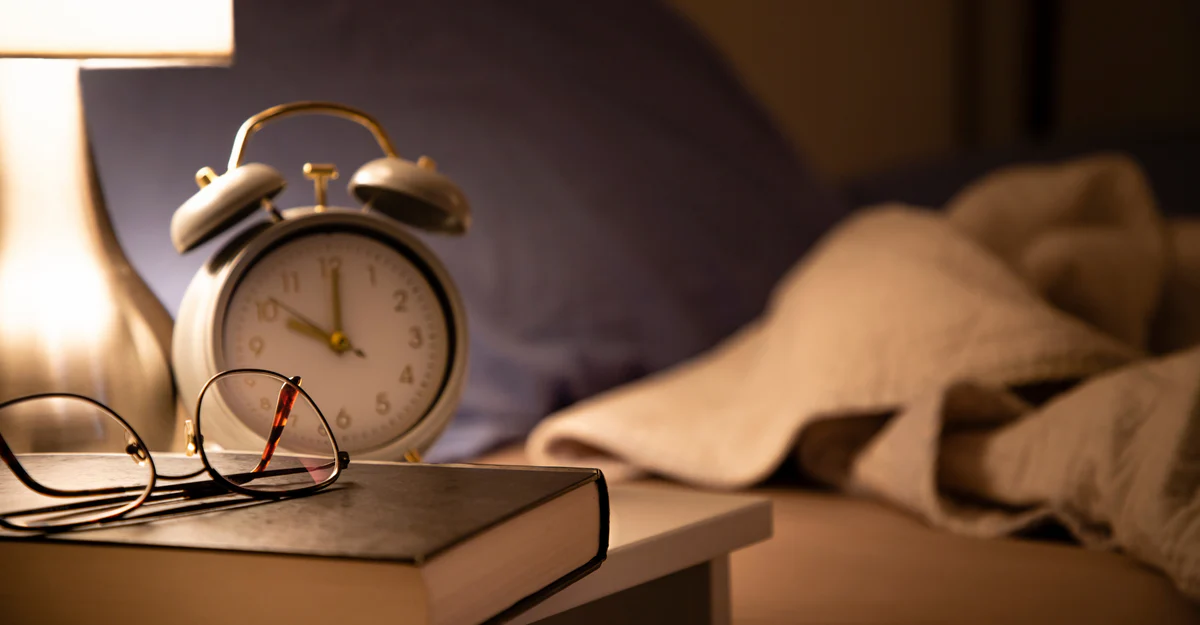
The evening hours provide an opportunity to transition from daytime activities toward rest. Many people establish routines during this time that include various relaxation practices. This guide provides educational information about common approaches to evening preparation.
Educational Purpose: All materials and practices presented are for educational and informational purposes only and are intended to support general well-being. They do not constitute medical diagnosis, treatment, or advice. Before applying any practice, especially if you have chronic conditions, consult a qualified healthcare professional.
Simple breathing patterns are a common relaxation technique. Many people practice slow, controlled breathing as part of their evening routine.
Reading books, articles, or other written material is a popular evening activity. Many people find this to be a quiet way to spend time before rest.
Light stretching or gentle movement activities are sometimes included in evening routines. These activities typically involve slow, comfortable motions.
Some people write in journals or make notes in the evening. This practice can involve recording thoughts, plans, or reflections from the day.
Warm, caffeine-free beverages are commonly consumed in the evening. Examples include herbal tea, warm milk, or other non-stimulating drinks.
Listening to calm music, nature sounds, or audio content is a common evening activity. People often select relaxing audio that matches their preferences.
Evening routines vary by individual. Some people begin their routine one to two hours before their planned bedtime, while others prefer different timeframes. The timing often depends on personal schedules and preferences.
Many evening routines include attention to the physical environment. Common considerations include:
Adjusting lighting levels in the evening is a common practice. This may include reducing bright lights or using softer light sources.
Room temperature preferences vary by individual. Some people adjust their environment temperature as part of their evening routine.
Tidying or organizing spaces in the evening is a practice some people include in their routines. This can involve preparing items for the next day.
Many people choose to reduce screen time in the evening. This is a personal choice that varies based on individual preferences and needs.
Continue learning about daily routines and balance with our other educational materials.
Daily Balance Guide Contact Us